
Master PPC Advertising for Maximum ROI
Learn PPC advertising, Google Ads, Facebook Ads, and PPC best practices to boost ROI with detailed tips and strategies.
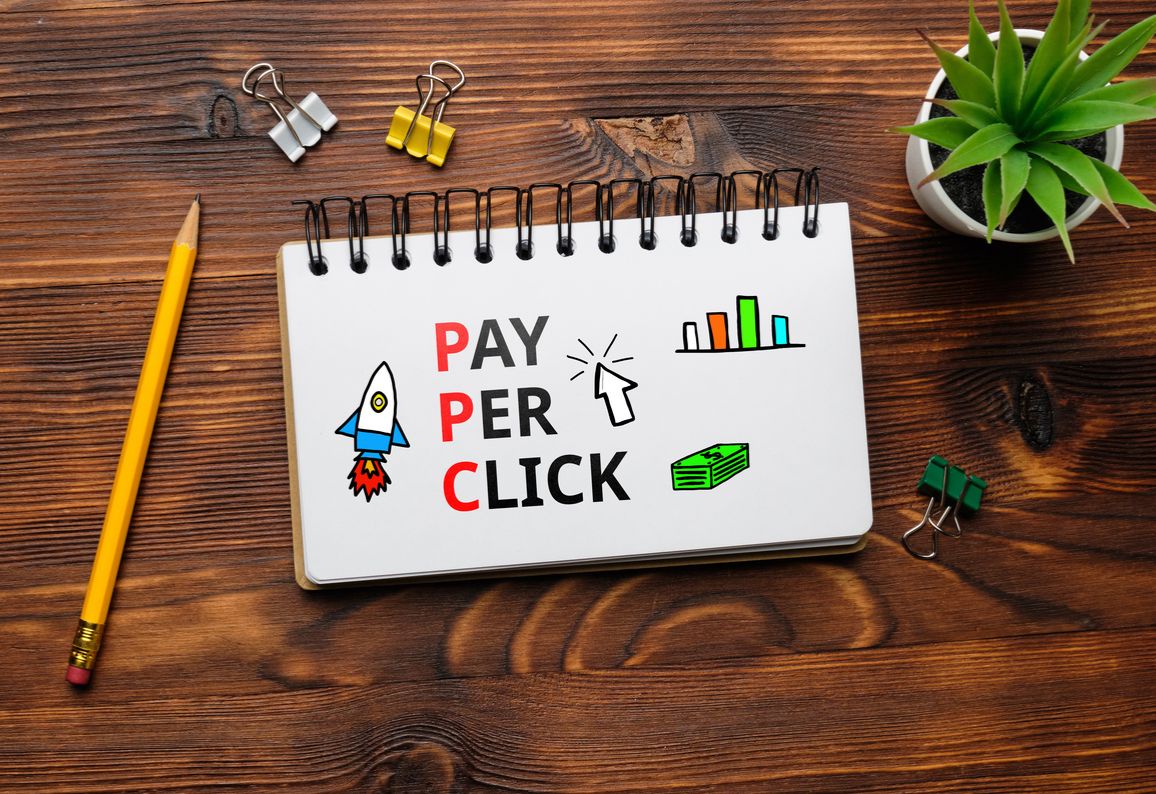
PPC advertising is one of the most powerful and measurable forms of digital marketing. It allows businesses to place ads on search engines, social media platforms, and other websites, and pay only when someone clicks on their ad. This model, known as pay-per-click marketing, is widely used across platforms like Google Ads, Facebook Ads, and Google AdWords. If you’re wondering what is pay-per-click advertising, it’s a way to buy visits to your site instead of earning them organically.
In this guide, we’ll explain how PPC advertising works, the benefits of PPC advertising, essential PPC metrics, PPC tools, and strategies to run successful campaigns.
The PPC definition is simple: it’s an internet advertising model where advertisers pay a fee each time their ad is clicked. The goal is to drive targeted traffic to a website, landing page, or app. Unlike organic SEO, which focuses on free traffic, PPC is a form of paid search advertising.
Understanding how PPC advertising works is crucial for creating successful campaigns.
Choose a Platform: Popular PPC advertising platforms include Google Ads, Facebook Ads, Instagram Ads, LinkedIn Ads, and more.
Select Your Target Audience: Define your audience based on demographics, interests, location, and device usage.
Research PPC Keywords: Use keyword tools to find relevant PPC keywords that your audience is searching for.
Create Ads: Write compelling ad copy and choose engaging visuals.
Set Your Budget: Decide how much you want to spend per day or per campaign.
Bidding: Platforms like Google AdWords operate on a bidding system where you set a maximum bid per click.
Measure Performance: Track PPC metrics like click-through rate (CTR), conversion rate, and cost per acquisition (CPA).
Different PPC advertising platforms offer different strengths:
Google Ads: Best for search intent targeting and paid search advertising.
Facebook Ads: Excellent for demographic and interest-based targeting.
LinkedIn Ads: Ideal for B2B targeting.
Instagram Ads: Great for visual content and younger audiences.
Microsoft Advertising: Targets Bing search users.
PPC vs SEM is a common comparison. Search Engine Marketing (SEM) is a broader term that includes both PPC marketing and SEO. PPC delivers instant results through paid ads, while SEO focuses on long-term organic growth.
The benefits of PPC advertising include:
Instant Traffic: Start driving visitors as soon as your campaign goes live.
Targeted Reach: Focus on specific audiences using PPC keywords.
Measurable Results: Track PPC metrics to measure ROI.
Budget Control: Set daily or campaign-level limits.
High ROI Potential: Proper targeting can deliver excellent PPC ROI.
Here are some PPC campaign tips to improve performance:
Keyword Research: Use tools like Google Keyword Planner to find high-intent PPC keywords.
A/B Testing: Test different ad copies and landing pages.
Use Negative Keywords: Exclude irrelevant searches to save budget.
Optimize Landing Pages: Make sure landing pages match ad intent.
Track Performance: Use analytics to measure key PPC metrics.
PPC advertising vs SEO is not about choosing one over the other - they complement each other. PPC provides instant visibility, while SEO builds long-term authority. Combining them can maximize reach.
Some PPC examples include:
A shoe brand using Google Ads to appear for "buy running shoes online".
A software company using Facebook Ads to target IT managers.
A local restaurant using paid search advertising to appear in local searches.
Important PPC metrics to track:
CTR (Click-Through Rate): Shows how many people click your ad.
CPC (Cost Per Click): How much each click costs.
Conversion Rate: Percentage of visitors completing desired actions.
Quality Score: Google’s measure of ad relevance.
PPC ROI: Return on investment from PPC spend.
Some PPC tools that can improve your campaigns include:
Google Keyword Planner
SEMrush
Ahrefs
SpyFu
WordStream Advisor
These help with PPC advertising best practices, keyword research, and competitor analysis.
Follow these PPC advertising best practices:
Use Relevant Keywords: Focus on intent.
Optimize Ad Copy: Clear, concise, and action-oriented.
Leverage Ad Extensions: Add site links, callouts, and location info.
Monitor PPC Metrics: Adjust campaigns based on performance.
Continuous Testing: Test headlines, CTAs, and images.
The best PPC tools for advertising include:
Google Ads Editor: For bulk edits and campaign management.
Facebook Ads Manager: For advanced targeting.
Optmyzr: For campaign optimization.
AdEspresso: For Facebook and Instagram ads.
Understanding what is PPC, how it works, and implementing the right strategies can transform your marketing results. Whether you’re running Google Ads, Facebook Ads, or exploring other PPC advertising platforms, focus on research, optimization, and tracking PPC metrics for the best results.
Contact Cyberinfomines
📞 Call us: +91-8587000904, 8587000906, 9643424141
🌐 Visit: www.cyberinfomines.com
📧 Email: vidhya.chandel@cyberinfomines.com