

Encapsulation: One of Java's Core OOP Principles
Learn how encapsulation in Java secures data by hiding object state, using getter-setter methods and real-world examples like bank systems.
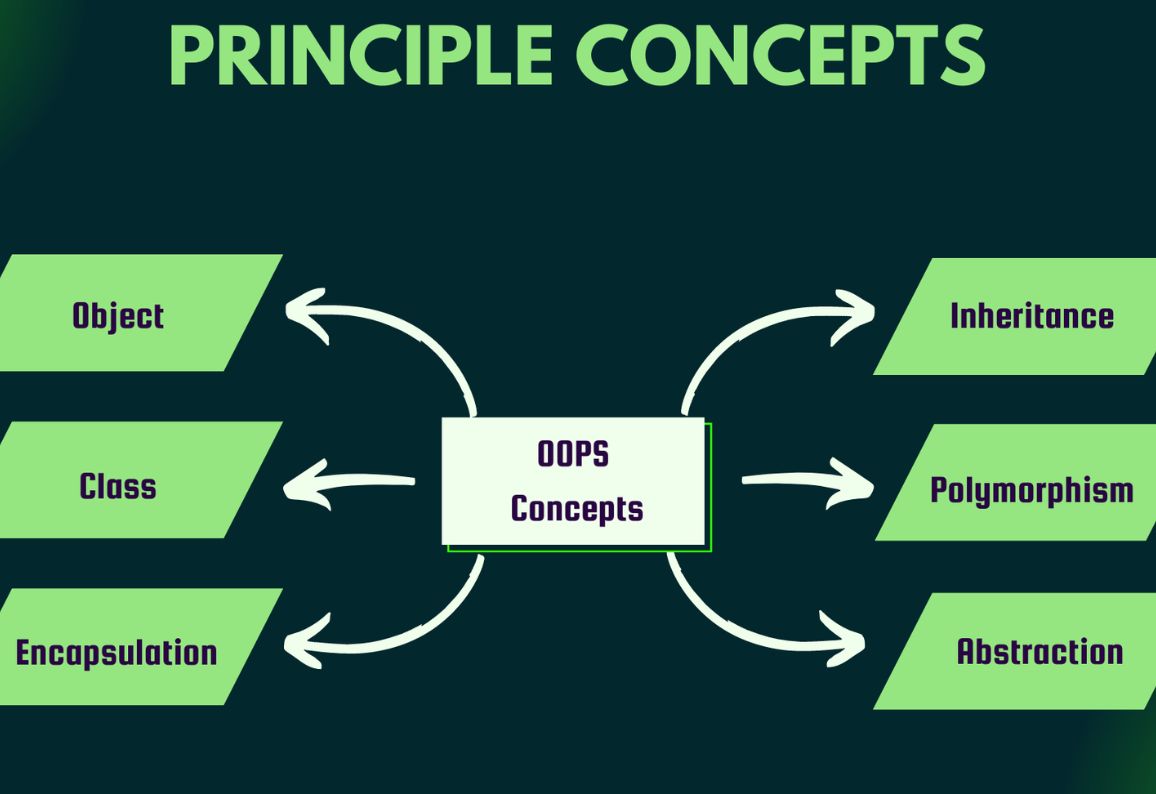
In Java Object Oriented Programming, Encapsulation is one of the core pillars, alongside inheritance, polymorphism, and abstraction. It involves wrapping data (variables) and methods (functions) together into a single unit called a class and restricting direct access to the internal state of that class.
Through Encapsulation in Java, you hide the internal representation of an object from the outside. Only specific, controlled interfaces (via getters and setters) are exposed for interaction.
This promotes:
Data security
Code modularity
Flexibility in changing code without affecting external classes
Cleaner, more readable structure
Here’s why encapsulation in Java is not just a technical mechanism but a best practice for secure and maintainable code:
Controlled Access: Private variables and public methods enforce boundaries.
Improved Security: Only specific functions can manipulate data, preventing accidental damage or misuse.
Easier Maintenance: Internal implementation can change without affecting external code.
Data Integrity: Prevents unintended access or modifications.
These advantages make encapsulation essential in real-world development from banking systems to enterprise-grade applications.
Let’s walk through a real time example of encapsulation in Java by creating a simple banking system.
Use Case:
A BankAccount class will hold:
Account Number
Account Holder Name
Account Type
Account Balance
These attributes will be encapsulated, and access will be controlled through getter and setter methods.
Java Encapsulation Example Program:
public class BankAccount { private long accountNumber; private String accountHolderName; private String accountType; private double balance; public BankAccount(long accountNumber, String accountHolderName, String accountType, double balance) { this.accountNumber = accountNumber; this.accountHolderName = accountHolderName; this.accountType = accountType; this.balance = balance; } public long getAccountNumber() { return accountNumber; } public String getAccountHolderName() { return accountHolderName; } public String getAccountType() { return accountType; } public double getBalance() { return balance; } public void setBalance(double balance) { this.balance = balance; } @Override public String toString() { return this.getAccountNumber() + ", " + this.getAccountHolderName() + ", " + this.getAccountType() + ", " + this.getBalance(); } }
Main Class to Test:
public class Main { public static void main(String[] args) { BankAccount account = new BankAccount(1234567890, "Komali", "Saving", 12780); System.out.println(account); account.setBalance(account.getBalance() + 1000.0); double balance = account.getBalance(); System.out.println("New Balance: $" + balance); // This would give an error: // System.out.println(account.balance); // Not allowed (private access) } }
Output:
1234567890, Komali, Saving, 12780.0 New Balance: $13780.0
This Java code for bank account demonstrates encapsulation by restricting direct access to internal fields, providing only controlled ways to modify or retrieve data.
1. Private Fields - Why?
Declaring fields as private hides them from outside classes. This is a key part of How to secure data in Java.
2. Public Getters/Setters
These methods offer controlled access to fields. You can add validation logic in setters, further securing data.
3. No Setter for Account Number
In real-world systems, some fields should remain immutable once initialized. This improves data integrity.
Encapsulation synergizes with other Java OOP concepts like:
Abstraction (hide complexity)
Inheritance (reuse logic)
Polymorphism (dynamic behavior)
Together, they create powerful, flexible applications.
Tip: Always make your class fields private unless you have a specific reason not to.
To fully grasp encapsulation, it's helpful to understand the method types in Java:
1. Instance Methods
Used on objects, these modify or read object-level data.
2. Static Methods
Belong to the class, not an instance. Used for utilities. Example: Java static function like Math.sqrt().
3. Getters and Setters
These are classic examples of encapsulation allowing data access without exposing implementation.
4. Constructors
Used to initialize data. Once set, you can restrict further modification.
So, the 4 types of methods in Java that relate to encapsulation are:
Constructor
Setter
Getter
Static method
Another important aspect is function overloading in Java defining multiple methods with the same name but different parameters. This supports encapsulation by offering tailored access points.
Example:
public void setBalance(double balance) { ... } public void setBalance(double balance, String reason) { // log reason this.balance = balance; }
This maintains clean and organized access.
Apply your understanding with the following practice tasks. Each case requires you to use encapsulation example in Java by applying private fields, public methods, and real-life logic.
Use Case 1: Employee
Class: Employee
Fields: name, id, salary, department
Methods: Getters/Setters + yearly salary calculation
Use Case 2: Student
Class: Student
Fields: name, rollNumber, marks[], grade
Methods: Getters/Setters + average marks calculator
Use Case 3: Book
Class: Book
Fields: title, author, isbn, price, numPages
Methods: Setters, Getters, and a display method
Use Case 4: Car
Class: Car
Fields: make, model, year, mileage, price
Methods: Getters/Setters + depreciation calculator
While often confused, they serve distinct roles:
| Concept | Encapsulation | Abstraction |
|---|---|---|
| Focus | Hides data | Hides complexity |
| How | Uses access modifiers and class boundaries | Uses abstract classes and interfaces |
| Goal | Secure data | Show only essential behavior |
| Example | Private balance field | Abstract Vehicle class with start() |
Both are core to Java object oriented programming and should be used together for maximum clarity and protection.
Learning Java programming becomes easier when you understand and apply the real-world relevance of concepts like encapsulation.
Try creating systems like:
Employee HR database
Library book management
eCommerce product catalogs
These reinforce encapsulation while improving your practical skills.
In summary, Encapsulation in Java is more than just a best practice it's the backbone of safe, clean, and scalable software. It ensures that objects protect their internal state, allowing you to write flexible and secure systems.
By using getter and setter methods, you make sure that data is accessed and modified responsibly. From the banking system Java example to employee and car assignments, encapsulation remains relevant in every field.
Are my variables protected? Are my methods properly defined? Am I using encapsulation to my advantage?
If the answer is yes - you’re building robust, secure, and future-proof software.
Need help with professional Java-based software systems or training modules?
Connect with our expert development and training team today!
📞 Call us: +91-8587000904, 8587000906, 9643424141
🌐 Visit: www.cyberinfomines.com
📧 Email: vidhya.chandel@cyberinfomines.com